What happens on roof replacement day
A replacement looks chaotic from the driveway, but a good crew follows the same order every time.
September 30, 2026 · 4 min read
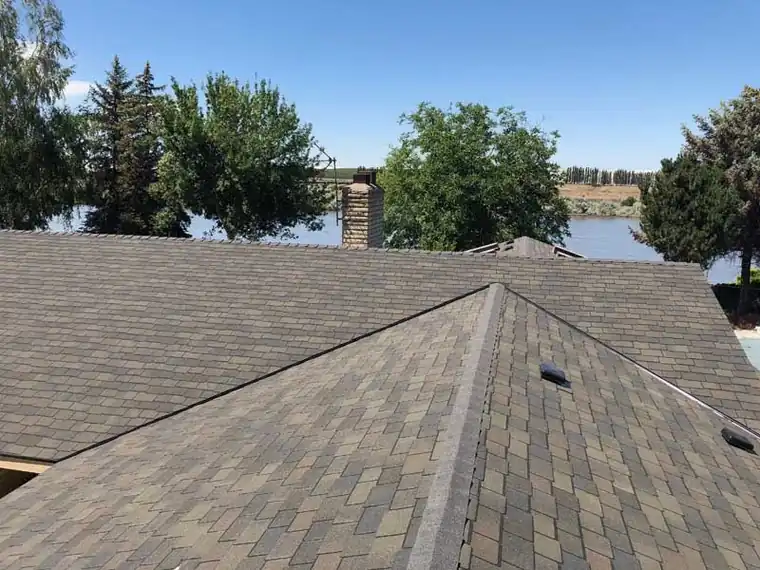
If you have never had a roof replaced, the first morning can be a surprise. Trucks pull in, ladders go up, and within an hour the sound of tear-off fills the whole street. It helps to know what is happening and in what order. A good crew works in a set sequence, and each step protects the one that follows it.
Before the crew arrives
A little preparation makes the day go better for everyone. Move cars out of the driveway and away from the edges of the house. Take down wall hangings and fragile items on the upper floor, since tear-off vibrates the whole structure. Cover or move anything stored in the attic that you do not want dusted. Tell the crew about pets, sprinklers, and any gate they will need to use.
- Clear the driveway and the first few feet around the house.
- Move patio furniture, grills and potted plants away from the walls.
- Take down fragile items from shelves and walls on the top floor.
- Cover attic storage, or move it to the middle of the attic floor.
- Confirm start time and where the crew should park.
Tear-off: the old roof comes off
The crew strips the old shingles down to the roof deck, which is the plywood or boards that everything else is fastened to. This is the loud, messy part, and it goes faster than most people expect. It is also when the roofer gets a real look at the deck. Soft, stained or damaged spots in the boards can be seen only now, and they have to be dealt with before anything new goes on top.
One Google reviewer, I Tiksutbek, described a Black Diamond job this way: five workers arrived and set to work, all wearing harnesses while on the roof. The tear-off of the old roof took half a day, and the crew spent the rest of the day laying the new roofing. That pace is typical of what the company says about itself. Black Diamond states, “We complete most roofs within a day or two,” and that a full re-roof can be finished in one day for homes up to 2,800 square feet.
Underlayment, flashing and the details that stop leaks
Once the deck is bare and sound, the crew covers it with underlayment, a protective layer that sheds water that gets past the shingles. Then come the metal details: drip edge along the eaves and rakes, flashing at walls and chimneys, and new or reflashed pipe and vent penetrations. Most leaks start at these details rather than in the open field of the roof, so this is where careful work counts most.
On a good job, you will see the crew working slope by slope instead of leaving the whole roof stripped and exposed at once. Weather in the Tri-Cities can change, and a roof that is open to the sky should be dried in as quickly as the crew can manage.
New shingles and the ridge
Shingles go on from the bottom edge up, each course overlapping the one below so water runs down and off. Black Diamond is a certified installer through GAF, Malarkey and Owens Corning, and it also lists IKO, Pabco and CertainTeed among the brands it uses. The last step on the roof surface is the ridge: ridge cap shingles along the peaks, and ridge vent if the roof is ventilated that way. The ridge is the part you will notice most from the street, so it should be straight and tight.
Cleanup and the final walk-around
A roof job is not finished when the last shingle is nailed. Old shingles, bundles, and cut scraps scatter across a yard, and so do nails. The reviewer mentioned above wrote that the crew cleaned up all the scraps of old shingles around the property and used a magnet to collect stray roofing nails. A magnet sweep over the driveway and lawn is a small habit that keeps tires, bare feet and mower blades safe.
The same review says that when the work was done, Josh, the owner of the company, inspected the finished roof to make sure the job had been done properly. That final inspection by someone who answers for the work is worth asking about when you hire any roofer. Ask who checks the finished roof, and what happens if they find something.
What to expect afterward
Expect some debris in the gutters and a few stray granules in the next rain. That is normal on a new roof. Walk the property with the crew lead if you can, look at the ridge and flashing, and ask for the warranty paperwork to be sent in writing. If you notice a problem in the first weeks, call right away.
To schedule a free estimate for a replacement, call Black Diamond at (509) 943-ROOF or text the owner at (509) 308-6656. The company has been licensed in Washington since 2003 and is based at 2418 Garlick Blvd in Richland.
Black Diamond Roofing & Construction, (509) 943-ROOF
Call (509) 943-ROOFMore articles
Repair or replace: how to read an aging roof in the Tri-Cities
A roof wears out in stages, and knowing the stages helps you decide between a patch and a new roof.
Attic ventilation and your new roof
Air has to move through an attic for a roof and the house beneath it to stay healthy.